
coated glass manufacturers
Understanding the Pricing of 3-Inch Gate Valves When it comes to industrial applications, valves play a crucial role in controlling the flow of liquids and gases. Among the various types of valves, gate valves are widely utilized due to their efficiency and effectiveness in on/off service. As industries continue to grow and evolve, understanding the pricing dynamics of these valves, particularly the 3-inch gate valve, becomes essential for manufacturers, engineers, and purchasing managers. What is a 3-Inch Gate Valve? A 3-inch gate valve is a type of valve that uses a circular gate to control the flow of fluid. When the valve is fully opened, the gate is lifted from the flow path, allowing for smooth passage. Conversely, when it is fully closed, the gate fits snugly against the body of the valve, preventing flow. This type of valve is favored for its low fluid resistance and ability to provide a tight seal. Typically used in various sectors such as water treatment, oil and gas, and chemical processing, the 3-inch gate valve is a standard size that meets many operational requirements. Factors Influencing the Price of 3-Inch Gate Valves The price of a 3-inch gate valve can vary significantly based on several factors 1. Material Composition The materials used in the construction of the valve are among the most significant determinants of price. Common materials include cast iron, stainless steel, and brass. While cast iron valves tend to be more economical, stainless steel options are preferred for corrosive environments, thus costing more. Additionally, specialized alloys can further increase the price. 2. Design and Manufacturer Different manufacturers have varying price points based on their brand reputation, manufacturing processes, and quality assurance measures. High-end brands may employ advanced technologies and superior craftsmanship, resulting in a higher cost. 3 inch gate valve price 3. Standard Compliance Valves must often comply with industry standards and regulations, which can influence their pricing. For instance, valves adhering to ANSI (American National Standards Institute) or API (American Petroleum Institute) standards may incur additional costs due to more stringent manufacturing processes. 4. Quantity and Purchase Agreements Bulk purchases typically yield discounts. Companies looking to procure multiple units may negotiate prices with suppliers, potentially leading to more favorable terms. Conversely, single-unit purchases will usually reflect retail pricing. 5. Market Demand and Supply Like any other commodity, the demand and supply dynamics play a crucial role in determining the price. A sudden increase in demand due to industrial growth or an unexpected shortage caused by supply chain issues can lead to price fluctuations. 6. Distributor Mark-up The price of 3-inch gate valves can also be influenced by the distribution network. Distributors may mark up prices based on their operational costs, profit margins, and market positioning. Average Pricing On average, the price range for a standard 3-inch gate valve can be anywhere between $50 to $500. Basic models made of cast iron might cost around $50-$100, while more sophisticated valves, such as those made of stainless steel or equipped with additional features like automated controls, could cost $200 or more. Conclusion When sourcing a 3-inch gate valve, it is essential to consider the various factors influencing its price. A thorough understanding of the application requirements, material selections, and potential suppliers will enable buyers to make informed decisions. Whether you are involved in procurement for a large-scale industrial plant or a smaller operation, ensuring that you receive a quality product at a fair price will optimize operational efficiency and reduce long-term costs. As industries continue to evolve, staying abreast of market trends and pricing will be crucial for any stakeholder involved in valve procurement.
about
coated glass manufacturers
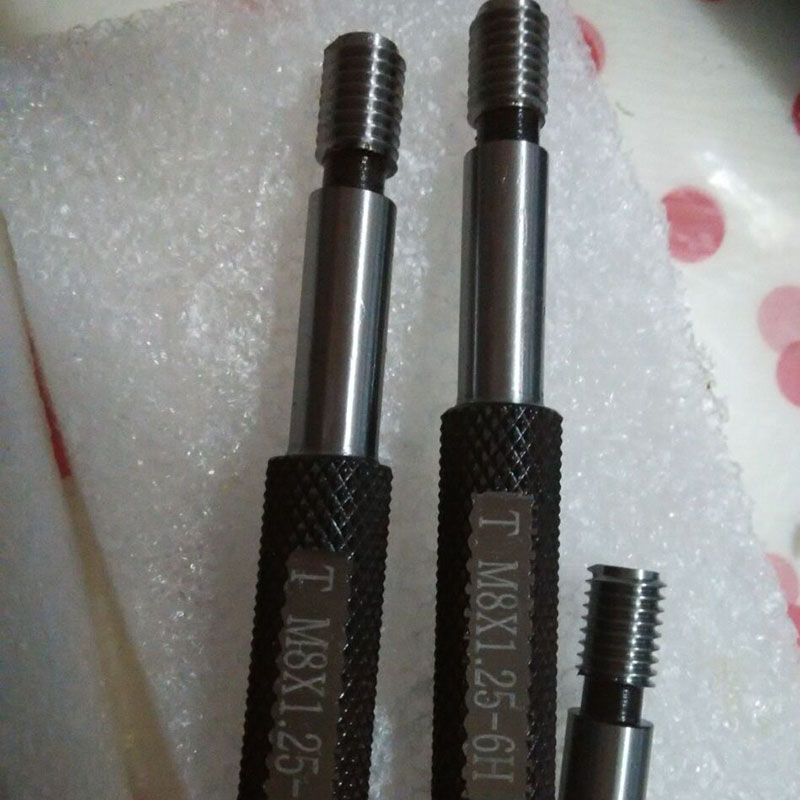
Understanding Pressure Gauge Thread Types A Comprehensive Guide Pressure gauges are essential instruments used in various industries to measure and indicate the pressure of gases or liquids within a system. One critical aspect of pressure gauges that technicians and engineers must consider is the type of thread used for connecting the gauge to the pressure source. Using the correct thread type ensures a proper seal and prevents leaks, which can lead to inaccurate readings or hazardous situations. In this article, we will explore the different types of pressure gauge thread standards, their applications, and some best practices for installation. Types of Pressure Gauge Threads Pressure gauge threads can be classified into several categories based on their design, size, and application. The most common thread types include 1. NPT (National Pipe Taper) Threads NPT threads are the most widely used thread type in the United States for pressure gauges and piping systems. They feature a tapered design that allows for a tight seal when tightened. NPT threads are available in various sizes and are often found in both liquid and gas applications. The taper ensures that as the fitting is screwed in, the threads compress, creating a seal that minimizes the risk of leaks. 2. BSP (British Standard Pipe) Threads BSP threads are standard in Europe and many other countries. There are two main types BSPP (British Standard Pipe Parallel) and BSPT (British Standard Pipe Taper). BSPP threads are parallel and require the use of sealing compounds or O-rings to prevent leaks, while BSPT threads follow a tapering design similar to NPT. Choosing the right BSP thread is crucial for compatibility with existing piping systems. 3. ISO Threads The International Organization for Standardization (ISO) provides a range of thread standards. These threads are commonly used in European applications and are designed to create a robust connection to various pressure gauges. ISO threads can sometimes be confused with NPT or BSP threads, so ensuring compatibility is essential when selecting fittings. 4. Metric Threads Metric threads are specified based on the diameter and pitch of the thread, making them easy to identify in many components. These threads are commonly found in European equipment and machinery, and they sometimes feature unique sealing methods to ensure a leak-proof connection. 5. Custom Threads In some cases, pressure gauges may use custom-designed threads specific to a manufacturer or application. These threads can be designed to provide specific performance characteristics and may not fit into any standard category. Selecting the Right Thread Type pressure gauge thread types When selecting the right thread type for a pressure gauge, engineers must consider several factors. First, they should assess the compatibility of the thread type with the existing piping system. Using mismatched threads can lead to leaks or mechanical failure. Second, the application environment should be considered, including factors such as temperature, pressure, and the type of substance being measured (corrosive or non-corrosive). Lastly, it is vital to consult manufacturer specifications and recommendations to ensure that all components will work harmoniously together. Best Practices for Installation When installing pressure gauges, following best practices is essential for a secure and leak-free connection 1. Clean the Threads Ensure that both the gauge and the mounting surface are clean and free of debris. Dirt or debris can interfere with the sealing process. 2. Use Sealants Wisely For threaded connections, use appropriate sealing compounds or tape, such as PTFE tape, but avoid overusing them as this can lead to excess buildup and hinder a proper seal. 3. Torque Specifications Adhere to the manufacturer's recommended torque specifications for tightening the pressure gauge. Over-tightening can damage the threads or gauge itself, while under-tightening can result in leaks. 4. Regular Inspections Implement a regular maintenance schedule to inspect gauge connections and ensure there are no signs of wear, corrosion, or leaks. Conclusion Understanding pressure gauge thread types is crucial for ensuring the accuracy and safety of pressure measurement systems. By selecting the appropriate thread type and following installation best practices, technicians can prevent leaks and maintain the integrity of their systems. Whether working with NPT, BSP, ISO, or custom threads, knowledge of these standards is essential for anyone involved in pressure measurement and control.
-

High quality industrial productsagement

High quality industrial products
View Details -

Meet the diverse needs of customers

Meet the diverse needs of customers
View Details -

Strict quality control

Strict quality control
View Details -

Top raw materials

Top raw materials
View Details -

Trusted supplier

Trusted supplier
View Details
Our application


news and information

valve supplier
Choosing the right valve supplier is a critical decision for manufacturers and industries worldwide.
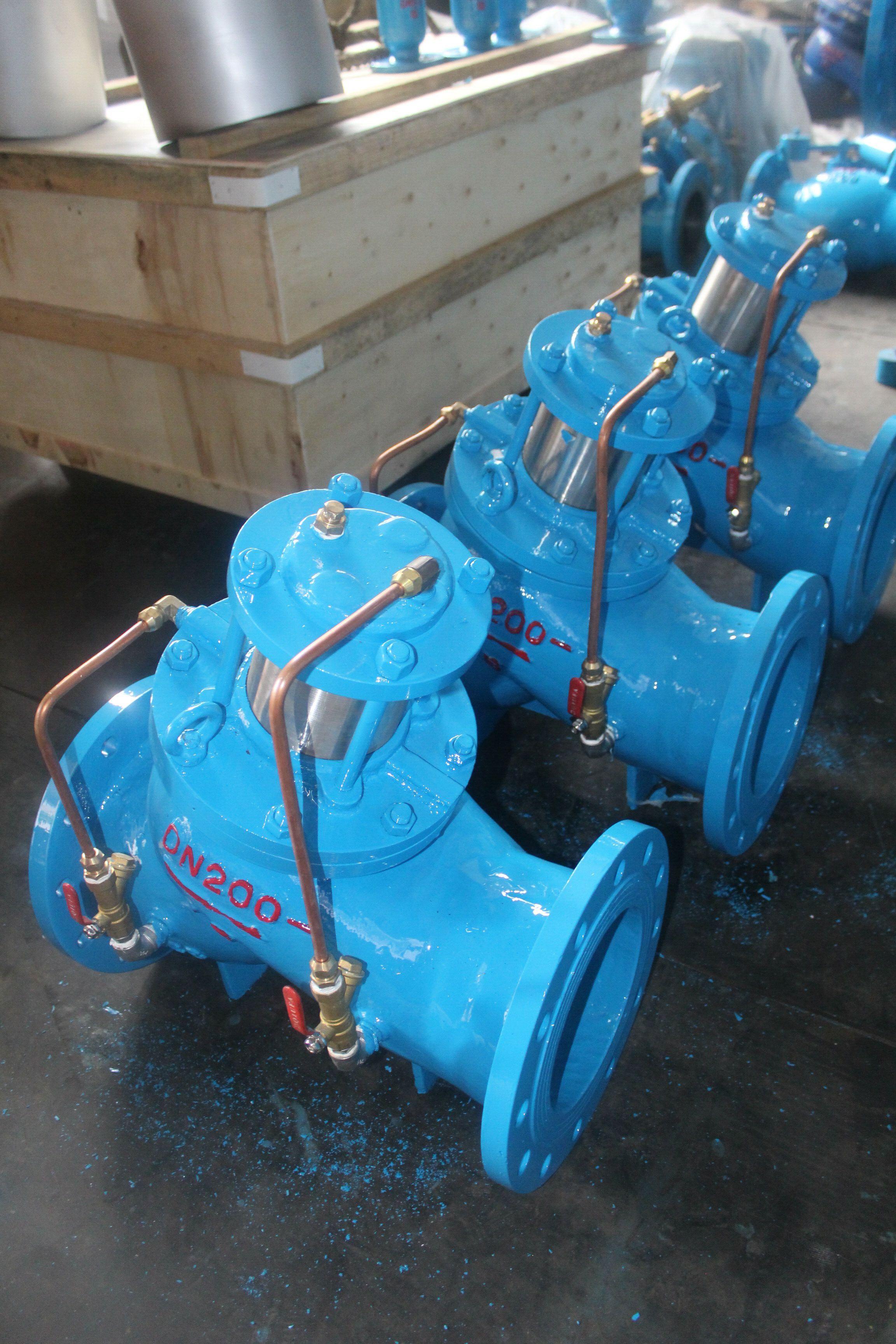
Water Pressure Control Valve for Efficient Regulation and System Protection
Understanding Water Pressure Reduction Valves Water pressure reduction valves (PRVs) are essential c
Van cửa cổng hình vuông và ứng dụng của nó trong công nghiệp
Cửa van chặn hình vuông Giải pháp hiệu quả cho ngành công nghiệp Cửa van chặn hình vuông là một tron
 English